What Is the Best Concrete Paint? Top Picks, Reviews & Buying Guide 2026. Discover the best concrete paint for floors, garages, and patios. Compare epoxy vs acrylic, product reviews, tips, and expert advice for long-lasting results.
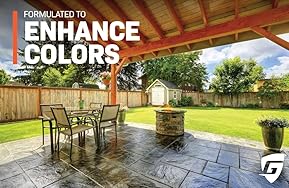
If you’re wondering what the best concrete paint is, the answer depends on where you’re using it, how much traffic the surface gets, and how long you want it to last. Concrete paint isn’t just about looks—it protects surfaces from wear, moisture, stains, and weather damage. From epoxy coatings for garages to acrylic paints for patios, choosing the right option can completely transform your floors while extending their lifespan.
What Is the Best Concrete Paint?
The best concrete paint typically falls into two main categories:
1. Epoxy Concrete Paint (Best Overall)
- Extremely durable and long-lasting
- Resistant to chemicals, stains, and heavy traffic
- Ideal for garages, workshops, and basements
👉 Experts consistently rank epoxy as the most durable option for high-use areas.
2. Acrylic / Latex Concrete Paint (Best Budget Option)
- Easy to apply and quick-drying
- Suitable for light to medium traffic areas
- Great for patios, walkways, and decorative finishes
👉 Acrylic paints are easier for DIY users but less durable than epoxy.
Benefits of Using Concrete Paint
- Protects surfaces from cracks, moisture, and stains
- Improves appearance with color and finish options
- Extends floor lifespan significantly
- Adds safety features (anti-slip coatings available)
- Easy maintenance compared to bare concrete
What People Are Saying (Reddit, Quora, Twitter Insights)

From real user discussions:
“Paint (epoxy or otherwise) is only as good as the prep.”
Many Reddit users emphasize surface preparation as the #1 factor
DIY users report epoxy lasts 10–15 years when applied correctly
Common advice:
- Clean thoroughly
- Etch or sand for better adhesion
- Don’t rush drying time
On Quora and Facebook, trends show:
- Epoxy = best durability
- Acrylic = easiest application
- Polyaspartic = premium, fast-drying option
Things to Consider When Choosing the Best Cement Floor Paint
1. Surface Condition
- Cracked or dirty concrete needs repair and cleaning first
- Old paint must be removed for proper adhesion
2. Location (Indoor vs Outdoor)
- Indoor: Epoxy or acrylic
- Outdoor: UV-resistant paints like acrylic or polyaspartic
3. Traffic Level
- Heavy traffic → epoxy
- Light traffic → acrylic/latex
4. Weather Resistance
- Outdoor areas need waterproof and UV-resistant coatings
5. Finish Type
- Glossy = easier cleaning
- Matte = less slippery.
What Is the Best Concrete Paint
Top Picks



Detailed Product Review: Best Cement Floor Paint
1)
2)
3)
4)
5)
6)
7)
Step-by-step: How to paint concrete floors
1) Clear the area
- Remove all furniture, rugs, and debris.
- Sweep thoroughly, then vacuum (especially edges and corners).
2) Check the condition of the concrete
You want the concrete to be clean, dry, and sound.
- If there’s sealing, paint, grease, or old coatings, you’ll need to remove them (paint will peel if not bonded well).
- If there are cracks/spalling, repair before painting.
3) Clean/degrease
- Use a concrete cleaner/degreaser appropriate for your floor.
- Scrub with a stiff brush/mop and rinse well.
- Let it dry completely.
- If you can, wait at least 24–48 hours, depending on humidity and ventilation.
Moisture check (quick test): Tape down a square of plastic (about 2 ft / 60 cm). After 24 hours:
- If you see condensation or darkening under the plastic, don’t paint yet—address the moisture.
4) Remove old coatings (if needed)
Choose the right approach:
- Scrape/sand loose paint.
- For stubborn paint/sealers: mechanical abrasion (grinding/sanding) is often best.
- Vacuum thoroughly afterward.
5) Etch the concrete (if using an epoxy/most concrete paint systems that require it)
Many coating systems need a proper surface profile.
- Use a concrete etching solution or the specific prep recommended by your product.
- Follow the label exactly, including neutralizing/rinsing.
- Let the surface dry fully.
(If your product says “do not etch” or provides an alternative prep method, follow that instead.)
6) Repair cracks/holes
- Clean cracks.
- Fill with a concrete patch or epoxy crack filler (depending on crack size).
- Allow cure time per the product.
- Sand smooth so you don’t get bumps through the finish.
7) Patch and re-smooth the surface
- Use a grinder or sandpaper for ridges.
- Vacuum again; any dust will weaken adhesion.
8) Protect edges and borders
- Tape off:
- baseboards
- door thresholds
- walls (or use painter’s plastic)
- Mask expansion joints if instructed by your system.
9) Prime (often required for best adhesion)
Use the primer specified for your coating system:
- Epoxy-based systems typically require an epoxy primer (sometimes tinted).
- Acrylic/urethane floor paints may require a compatible primer.
- Apply evenly with the recommended tools (roller + brush for edges).
Tip: Don’t “over-roll” or leave heavy puddles—follow the product’s spread rate.
10) Mix and apply the coating
Follow the label exactly for:
- mix ratio
- mixing time
- pot life (time before it starts curing)
- Recoat the window (when the next coat can go on)
Typical method:
- Cut in edges with a brush.
- Roll the main areas with a roller designed for floors (often a 1/4″–3/8″ nap).
- Maintain a wet edge to avoid lap marks.
- For best durability, apply two to three coats (commonly primer + 2 topcoats).
11) Add non-slip (optional but recommended)
If it will be a garage, basement, or area that gets wet:
- Broadcast anti-slip grit/sand into the first or second coat (per product instructions).
- After curing, sweep up excess grit.
12) Allow full cure (don’t rush it)
- Dry to the touch is not the same as “fully cured.”
- Many coatings need several days for light foot traffic and longer for vehicles/heavy use.
- Keep the room well ventilated and avoid spills during cure.
13) Final inspection and maintenance
- Look for thin spots, bubbles, or missed areas.
- Avoid harsh cleaners for the first couple of weeks (unless the label says otherwise).
- Sweep regularly; use mild soap/cleaner recommended for your coating.
Choosing the right product (quick guide)
- Garage / heavy traffic/chemical resistance: look for 2-part epoxy or polyaspartic/urethane systems.
- Interior floors / easier application: Some concrete floor paint systems work, but they’re usually less tough than full epoxy systems.
- Always match primer + topcoat as a system.
How We Evaluate Concrete Paint
We analyze products based on:
- Durability (resistance to wear and chemicals)
- Ease of application (DIY friendliness)
- Drying time
- Finish quality
- Customer feedback (Reddit, Quora, reviews)
- Value for money
Quick scoring rubric (simple)
For your decision, rate each 1–5:
- Compatibility with your slab (bare vs sealed/old paint)
- Performance fit (foot/vehicle/water/chemicals)
- Moisture tolerance (and required prep)
- Durability expectations (epoxy/urethane vs 1-part paint)
- Prep difficulty vs what you can actually do
- Slip safety and UV/color needs
- Coverage + cure times that fit your schedule
Frequently Asked Questions
What is the most durable concrete paint?
Epoxy paint is the most durable and long-lasting option.
Can I paint concrete without primer?
It’s possible, but not recommended—primer improves adhesion and durability.
How long does concrete paint last?
- Epoxy: 10–15 years
- Acrylic: 2–5 years
Is concrete paint waterproof?
Some are, but you may need a sealer for full waterproofing.
Can I DIY concrete floor painting?
Yes—acrylic paints are easiest, while epoxy requires more preparation.


