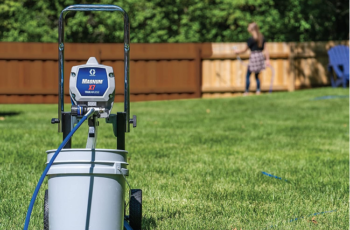
What are the best paint sprayers & FAQs? Discover the best paint sprayers for DIY and professional use. Read real user insights from Reddit & Quora, expert tips, reviews, and FAQs to choose the perfect paint sprayer.
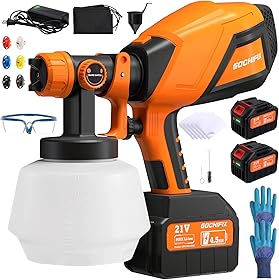
Why Use the Best Paint Sprayers?
Paint sprayers offer several advantages over traditional rollers and brushes:
1. Faster Coverage
Sprayers can complete large jobs like walls, decks, and fences significantly faster than manual methods.
2. Professional Finish
They produce smooth, even coats with no brush marks—ideal for cabinets and furniture.
3. Better Reach
Sprayers easily coat crevices, textures, and hard-to-reach areas.
4. Efficiency
Airless sprayers can apply thick coatings quickly, while HVLP minimizes waste and overspray.
Best Paint Sprayers: Get Smooth, Professional-Looking Results
If you’re aiming for a flawless finish, paint sprayers are hard to beat. They help you cover surfaces faster and create a more even texture—without the streaks, ridges, or brush/roller marks that can show up later. That means less time spent working and fewer wasted materials, while still getting results that look truly polished.
And even though sprayers are great on their own, they’re also useful alongside a roller. For example, you can use a sprayer to handle the main area and then switch to a roller for spots like siding or porch railing. If you’re looking for the best paint sprayers, this is your starting point—plus tips to use one confidently for a clean, professional outcome.
What to Use Paint Sprayers On? Types of Paint Sprayers (Explained)
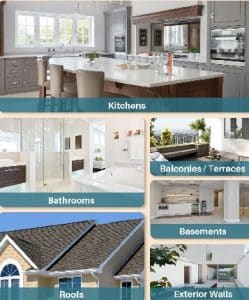
Paint sprayers can handle a lot of different projects, from walls to furniture to outdoor surfaces. They also move paint around faster than brushes or rollers, which means you get coverage quickly and more consistently. The result is usually a smoother, more even finish—especially when you’re trying to avoid streaks.
Of course, sprayers do require a bit more prep. But once you have the right equipment and use the right type of paint, the payoff is big: you’ll spend less time actually painting and get a cleaner-looking outcome.
Interior Walls and Ceilings
If you want fast, even coverage indoors, paint sprayers are a great choice. For most interior work, high-volume low-pressure (HVLP) sprayers are often the best paint sprayers for the job. They lay down paint smoothly without blasting it everywhere, so you get a uniform finish while keeping wasted paint to a minimum.
Exterior Siding and Trim
When you’re working outdoors—especially on siding and trim—airless sprayers are the go-to for many pros. They apply paint quickly, which cuts down labor time, and they also tend to use less paint, helping you stay on budget. With the right setup, you can use an airless sprayer for DIY outdoor projects and still get that professional look.
Furniture and Cabinets
For furniture and cabinets, you’ll usually get the best results with either HVLP or pneumatic sprayers. HVLP sprayers help you apply paint in a controlled, steady flow for even coverage. Pneumatic sprayers add flexibility, too, since you can switch nozzle styles and sizes depending on the finish you’re going for.
Doors and Windows
Doors and windows need precision, so control matters. The best paint sprayers for this kind of work are the ones that let you spray cleanly without drifting or heavy overspray. Since paint dries quickly once it’s sprayed on, you’ll also run into fewer issues like uneven texture or visible roller/brush marks.
Fences and Decks
For fences and decks, paint sprayers make maintenance a lot more manageable. They help you cover large outdoor wood surfaces more efficiently, so it’s easier to stay on top of regular touch-ups and refresh coats when the weather starts wearing things down.
Automobile Repair, Renovation, and Restoration
We generally don’t recommend DIY autobody painting—automotive prep and finishing are more complicated than most people expect. But if you’re working on a small section, like a quarter panel, a high-quality HVLP sprayer can still be a strong option. It helps you apply material effectively without flooding the area or creating excessive overspray. Plus, with specialty paint booths that are made for small projects, auto restoration has become a realistic hobby for more people than you’d think—especially when they’re trying to save time and avoid wasting expensive materials.
Which Paint Sprayer Type Is the Best to Use?
Picking the best paint sprayers isn’t just about the brand—it starts with choosing the right type. In general, you’ll see two main categories: airless and pneumatic.
- Airless sprayers use a piston to push paint through the spray gun.
- Pneumatic sprayers rely on an air compressor to atomize and spray the paint.
HVLP and LVLP sprayers fall under the pneumatic umbrella. As for battery-powered models? In most cases, they’re just removing the cord from one of those same basic styles.
There’s also an electrostatic paint sprayer option, which is mostly used in commercial or industrial settings (think factories). These can use airless or pneumatic systems, but they’re far less common for everyday DIY and home projects—though you can still find them online.
Airless Sprayers
If you’re tackling big surfaces like walls, fences, and siding, airless sprayers are usually your go-to. They can move a lot of paint—roughly ½ to 2 gallons per minute—so large jobs don’t drag on forever.
They’re not ideal for super detailed work, mainly because they tend to create more overspray. The upside is that airless sprayers can handle thicker materials better than many other types, which makes them useful for some stains, too.
Airless sprayers also rely on different spray tip sizes (nozzles). Change the tip to adjust how much paint comes out and how wide the spray pattern is.
Pneumatic Sprayers (Compressed Air)
Pneumatic sprayers work especially well for metal, furniture, cabinets, and vehicles. Because they use compressed air, they often apply paint in a more controlled way—and they can handle heavier materials than airless sprayers.
They’re sometimes cheaper upfront than other options, but you’ll still need an air compressor to run them.
Most pneumatic sprayers come in two formats: HVLP and LVLP (sometimes labeled LVMP). Both use a mix of parts like needles, fluid nozzles, and air caps to atomize paint and shape the spray pattern.
HVLP Sprayers (High Volume Low Pressure)
If you want precision, HVLP sprayers are a strong pick for vehicles, trim, doors, and cabinets. They deliver paint more slowly while using plenty of air to help it atomize well.
Because of that, HVLP guns usually cost more and perform best with thinner paints. They also tend to reduce overspray compared to many alternatives, but here’s the catch: they often need a larger air compressor to run properly.
Also worth noting: HVLP usually puts out more material faster than some other styles, but the speed difference often isn’t dramatic enough to be the deciding factor. In most cases, it makes more sense to match the sprayer to the compressor you’re using.
One exception worth mentioning is Graco’s FinishPro line, which uses TurboForce technology to provide the air needed for different fine-finish or medium-size jobs.
LVLP Sprayers (Low Volume Low Pressure) or LVMP
LVLP sprayers—“low volume low pressure”—use less air volume than HVLP guns. That’s why they typically work better with smaller compressors, like a pancake compressor. In general, they’re less demanding on your air supply, which makes them a popular choice for DIY users.
LVLP sprayers are especially handy for clear coats and final coats, where you want a focused, even spray. The tradeoff is that they often produce a bit more overspray than HVLP sprayers.
If you’re not sure where to start, a common guideline is:
- Use about a 1.3 or 1.4 tip for most basecoat or clearcoat applications.
- Use a larger tip, such as 1.8 or 2.0, when spraying enamel or thicker materials.
With both HVLP and LVLP, you’ll often need to thin the paint to prevent clogging and keep the spray needle working smoothly.
What are the best paint sprayers?
If you’re tired of uneven brush strokes and slow painting jobs, switching to a paint sprayer can completely transform your results. The best paint sprayers deliver smooth, professional finishes while saving hours of labor.
From cabinets and furniture to fences and full house exteriors, modern sprayers are designed for speed, precision, and versatility. But with so many options—HVLP, airless, pneumatic—it’s easy to feel overwhelmed. This guide breaks down everything you need to know about the best paint sprayers and FAQ, including expert insights, real user feedback, and detailed reviews.
Top Picks

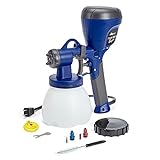


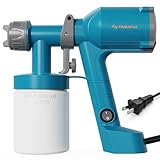


Best Paint Sprayers (Top Picks Reviewed)
1. Best Entry-Level Paint Sprayer: Graco Magnum X5 Electric TrueAirless Sprayer
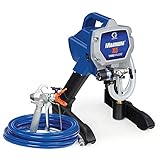
- Just right for DIY Homeowners and Remodelers looking for more power and mobility when tackling larger projects
- Ideal for projects up to 10 gallons in size, allowing you tackle multiple projects every year
The Graco Magnum 262800 X5 Stand Airless Paint Sprayer (Blue) is built for DIYers and remodelers who want more power and mobility on larger jobs. It’s designed to handle unthinned paints or stains with adjustable pressure control, and its flexible suction tube lets you spray straight from smaller buckets. With support for up to 75 ft of hose, you can reach second stories without losing performance.

Best For: Homeowners, DIY remodelers, and anyone planning repeat projects who want an airless sprayer that can handle thicker, unthinned materials.
- Adjustable pressure control for better control over different finishes
- Sprays unthinned paints/stains at varied settings
- Mobile setup for larger projects
- Flexible suction tube for bucket-to-spray convenience
- Up to 10-gallon project capability
- Long hose support (up to 75 ft) for tough-to-reach areas
- Requires proper prep and cleanup to avoid clogs
Our verdict: A strong, versatile pick if you’re tackling mid-to-large DIY/remodel projects and want power, flexibility, and good control.
If you want, tell me what you’re spraying (paint/stain, interior/exterior, and approximate square footage), and I’ll confirm whether the 262800 X5 matches your needs.
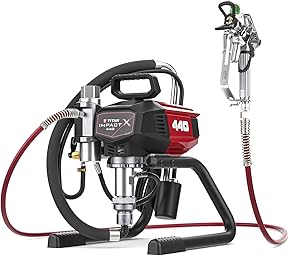
2. Best Professional Paint Sprayer: Titan Impact X 440 Electric Airless Paint Sprayer, 3300 PSI

- The #1 selling electric airless paint sprayer in the industry is now even better with enhanced features and performance
- Logix Adaptive Pressure Control System is designed with tip sensing technology minimizing pressure while maximizing efficiency
The Titan Impact X 440 Electric Airless Paint Sprayer (3300 PSI) is a high-output option that’s been upgraded for better performance and efficiency. With Adaptive Pressure Control and tip-sensing tech, it aims to reduce pressure while still delivering consistent spray results. It includes an RX-80 spray gun, reversible tip, and 50 ft airless hose, plus a PermaLife cylinder for long-term durability. It’s also built for frequent use, with strong weekly output claims.
Best For: Remodelers, painters, and contractors who spray regularly and want reliable output, improved efficiency, and easier cleanup in a single machine.
- Adaptive pressure control helps improve efficiency and consistency
- High pressure (3300 PSI) for demanding coatings
- Durable PermaLife cylinder (no replacement needed)
- Weekly-ready design for steady projects
- Faster cleaning/flushing thanks to electronic pressure control
- Includes key accessories (gun, tip, and 50' hose)
- Setup and cleanup can still be time-consuming
Our verdict: A compelling choice if you want a workhorse electric airless sprayer built for repeat, high-volume coating jobs—not just occasional use.
3. Best HVLP Sprayer for DIY: Fuji Spray Semi-PRO 2 HVLP Paint Sprayer

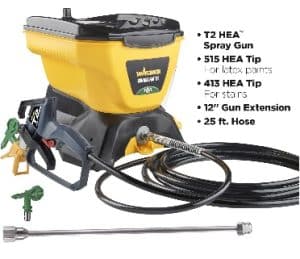
- WAGNER AIRLESS PAINT SPRAYER: The Control Pro 130 Power Tank applies coatings 3X faster than a roller with low overspray. It’s perfect for painting the exterior of your home, staining a large deck, and more
- HIGH EFFICIENCY AIRLESS TECHNOLOGY: The paint sprayer features HEA technology that decreases overspray by up to 55% while delivering softer spray, improving control and providing a more-consistent finish
The Wagner Spraytech Control Pro 130 Kit (2422951) is a high-efficiency airless sprayer designed to make large projects faster while cutting down messy overspray. Its HEA technology targets up to 55% less overspray, helping you get a smoother, more controlled finish. The 12" extension wand boosts reach for tall walls or decks, and the included 413 and 515 tips cover stains and latex. It’s gravity-fed with a small hopper for continuous spraying.
Best For: DIYers and home remodelers who prioritize cleaner results, easier handling, and better overspray control on decks, fences, siding, and other big-but-manageable jobs.
- Low-overspray HEA technology (up to 55% less overspray)
- Faster coverage than rolling (good for exterior/deck work)
- The extension wand helps with hard-to-reach areas
- Includes tips for stains (413) and latex (515)
- Gravity-fed design supports easy priming/cleanup
- 1.5-gallon hopper + 25 ft hose for fewer stops
- Hopper is limited
Our verdict: A compelling option if you want spray speed with less mess, especially for homeowners tackling exterior painting, deck staining, and large surface projects.
How to Use a Paint Sprayer Effectively (and Get Great Results)
If you’ve been thinking about using a paint sprayer, good news: it’s a lot easier than it sounds. With a little practice—and the right setup—you can finish faster and get a smoother, more even coat than you’d usually get with a brush or roller. If you’re searching for the best paint sprayers and want to use one the right way, this guide walks you through each step.
1) Prepare Your Workspace and Surface
Before you even open the paint, take a few minutes to set yourself up for success. A good setup helps you avoid overspray messes and keeps your results looking clean.
Tools and materials you’ll need
- Paint sprayer
- Paint buckets
- Paint paddle and stir sticks
- Extension cord (if needed)
- Buckets of water
- Painter’s tape
- Drop cloths
- Paint rags
- Safety goggles
- Gloves
- Paint respirator (make sure it matches the type of paint you’re using)
Prep the surface
Cover anything you don’t want painted with drop cloths, tarps, or plastic. Then use painter’s tape on areas like:
- baseboards
- outlets
- windows
- doors
This small step makes a huge difference—especially if you’re trying to keep edges sharp.
2) Set Up and Adjust Your Paint Sprayer
Once your workspace is ready, it’s time to mix your paint and prep your sprayer.
Paint sprayers usually work best with lower-viscosity (thinner) paint. In plain terms, the thinner the paint, the easier it sprays and the smoother the finish tends to be.
Practice first
Don’t jump straight into your main project. Instead, practice on a big piece of cardboard. Test a few techniques, such as:
- moving horizontally vs. vertically
- getting closer for heavier coverage vs. stepping back for a lighter coat
- Adjusting the sprayer tip to see what gives you the best finish
This helps you figure out the right distance and speed before you commit.
3) Apply Paint Like You Mean It
Consistency is everything when you’re spraying.
- Keep a steady distance from the surface.
- You can change speed, but try not to “aim” away from the wall—stay focused on spraying directly onto it.
- Wipe the sprayer tip regularly to prevent buildup, drips, and clogging.
If you notice uneven coverage, slow down and adjust your distance rather than forcing it.
4) Clean and Maintain Your Paint Sprayer
To keep your sprayer working well (and to avoid clogs next time), clean it right after you finish.
Because different sprayers and paints can require different methods, always follow the instructions in your owner’s manual. In general, you’ll:
- Release the pressure
- Flush the sprayer with water
- Clean key parts like the spray gun, hose, pump, filters, and spray tip/nozzle/needle
- Wipe everything down with a dry rag
- Store it in a dry, safe place
5) Follow Best Practices for Safe Painting
Safety matters—especially with high-pressure spray equipment.
- Stick to the safety guidelines in your sprayer’s manual.
- Never point the sprayer at people or animals.
- Always work in a well-ventilated area.
- Wear protective eyewear and a respirator.
- Use protective clothing, since overspray can be more hazardous than it looks.
Frequently Asked Questions (FAQ)
What is the best paint sprayer for beginners?
HVLP models like HomeRight Finish Max are best due to ease of use and control.
Are paint sprayers worth it?
Yes—especially for large or detailed projects. They save time and provide a superior finish.
HVLP vs Airless: which is better?
- HVLP: Better for precision
- Airless: Better for speed and large areas
Do I need to thin paint?
- HVLP: Usually yes
- Airless: Usually no
How much overspray should I expect?
Airless sprayers produce more overspray, so masking is essential.
How long does cleanup take?
Typically, 10–30 minutes, depending on the system and paint type.