What Is the Best Floor Paint? Top Types, Brands & Step-by-Step Guide. Discover the best floor paint for concrete, wood, and garages. Learn types, top brands, tools, application steps, and expert tips for long-lasting results.
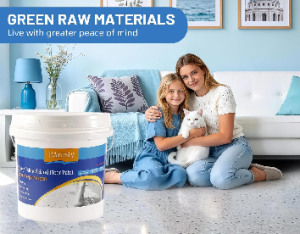
If you’ve ever looked at a worn-out floor and thought, “This could look so much better,” Floor paint is one of the most cost-effective ways to transform your home, garage, or workspace. You’re right—floor paint is one of the easiest upgrades with the biggest impact. But the real question is: what is the best floor paint?
Whether you want a sleek modern finish or heavy-duty protection, choosing the best floor paint depends on durability, traffic level, and surface type. The answer depends on your space, traffic level, and durability needs. In this guide, we’ll break it all down—from types and brands to real-world insights and a step-by-step application process.
What floor paint is
Floor paint is a practical upgrade that can do more than just make a space look better. The right coating helps protect floors from daily wear and tear, boosts durability, and keeps surfaces looking fresh for longer. Whether you’re searching for what is the best floor paint for a garage, an industrial warehouse, a commercial building, or a home space, the key is choosing the right product for the job.
At Painters Link, we connect you with reliable floor paint options, skilled professional painters, and the right tools to help you get a smooth, long-lasting finish.
In this guide, you’ll find an easy breakdown of popular types of floor paint, tips on choosing trusted brands, the tools you’ll need, and step-by-step instructions for painting or coating your floor—whether you’re using two-pack or single-pack epoxy.
Why Is Floor Painting Important?

Let’s be honest—floors take a beating. They deal with constant foot traffic, heavy loads, and daily exposure to moisture, chemicals, and changing temperatures. That’s exactly why using the right floor coating makes such a difference.
A quality coating can:
Boost durability: Helps protect against moisture damage, stains, and everyday impacts.
Look better: Gives floors a cleaner, more polished finish that feels more professional.
Improve safety: Many coatings include anti-slip options to help reduce the risk of slips and falls.
Support property value: Well-finished floors make a space feel more cared for—and that shows.
Make maintenance easier: Coated surfaces tend to resist dirt and grime, so cleaning becomes simpler.
Whether your floor is concrete, wood, tile, or metal, choosing what is the best floor paint for the surface you have is the key to long-lasting protection and a great-looking result.
What Is the Best Floor Paint? Types of Floor Paint (Explained)
Choosing the best floor paint isn’t one-size-fits-all. The right floor coating depends on the surface you’re working with and how the space will be used—things like foot or vehicle traffic, exposure to oil or chemicals, moisture, and even how you want the finished floor to look.
1) Epoxy floor paint

Best for:
- Resistant to chemicals, stains, and heavy traffic
- Ideal for garages and industrial use
- garages, warehouses, industrial and commercial spaces
Epoxy floor paint. If you’re looking for something tough, epoxy floor paint is hard to beat. It’s known for being one of the most durable options, creating a thick, smooth finish that resists chemicals, stains, and everyday wear and tear. Because it can handle heavy use, epoxy is a popular choice for garages, warehouses, factories, parking areas, and even retail spaces.
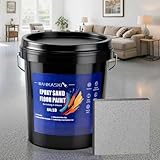
- 【Stunning Marble-Like Finish】Achieve a luxurious, seamless marble effect with our high-gloss, colored sand epoxy coating.Creates a smooth, sophisticated surface featuring unique, eye-catching texture patterns perfect for elevating any space.
- 【Waterproof & Slip-Resistant Safety】Waterproof and moisture-proof protection for wet areas (garages, basements, kitchens, bathrooms) and dry spaces.Features built-in anti-slip texture for enhanced safety, even when wet, while maintaining exceptional wear resistance.
- Extremely durable
- Highly durable and long-lasting
- Strong chemical resistance
- Smooth, easy-to-clean surface
- Great for high-traffic areas
- Usually requires a professional application
- Can take a while to fully cure
2) Polyurethane Floor Coating
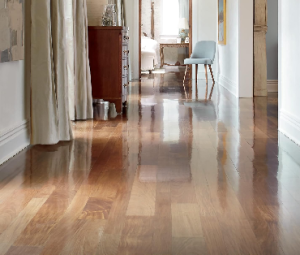
If you’re wondering what the best floor paint for areas that get hit hard—or where sunlight plays a big role—polyurethane floor coating is often a smart pick. It’s especially valued for its flexibility and UV resistance, which means it holds up better outdoors and doesn’t break down as quickly under bright light.
On top of that, polyurethane creates a smooth, glossy surface that resists scratches and everyday scuffs. That’s why it’s commonly used in places like commercial kitchens, hospitals, sports facilities, warehouses, showrooms, and sports halls—basically anywhere the floor needs to look good and keep performing. best hardwood floor paint
Best for:
- Flexible and UV-resistant
- Often used as a topcoat

- PROTECT WOOD SURFACES – Minwax Oil-Modified Polyurethane Wood Finish protects and adds beauty to interior projects, including woodwork, floors & more. The water-based clear top coat combines superior durability with the beauty of traditional polyurethane.
- OIL-BASED DURABLE FINISH – Clear finish provides long-lasting protection and warm beauty to both finished and unfinished wood projects. Protective coating is ideal for woodwork, furniture, doors, cabinets & floors, and is available in a variety of sheens.
- Strong resistance to UV rays and chemicals
- Flexible and impact-resistant
- Dries faster than epoxy
- Usually needs multiple coats
- Can be sensitive to moisture during application
3) Acrylic floor paint
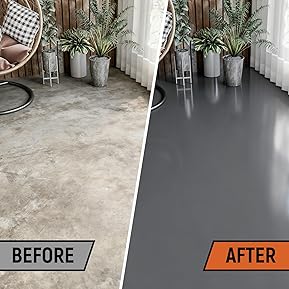
For homeowners trying to figure out what the best floor paint is without spending a fortune, acrylic floor paint is a solid option. It’s typically affordable, and the best part is how quick it dries, so you’re not stuck waiting days just to get the floor back to normal.
Acrylic is also pretty straightforward to work with, which makes it a good fit for light traffic areas—think basements, bedrooms, hallways, and other residential floors where you don’t need heavy-duty, industrial-level protection.
Best for:
- Fast drying, decorative
- Ideal for DIY projects
- COVERAGE: Professional-grade floor coating covers up to 120 square feet per gallon with excellent durability and scratch resistance, (1 kg) of coating, Covers an area of approximately 3 square meters (32 square feet) per coat, the actual coverage area depends on the surface condition and coating thickness. For rough or porous floors, patching or leveling may be performed, otherwise, additional coating material will be required
- VERSATILE APPLICATION: Suitable for multiple indoor surfaces including wood, metal, brick, plastic, and concrete in garages, basements, and interior spaces
- Cost-effective
- Dries quickly
- Easy to apply
- Not ideal for heavy-duty use
- Usually less durable than epoxy or polyurethane
4. Latex floor paint

Latex floor paint. If you’re wondering what the best floor paint for spaces that don’t get hammered every day, latex floor paint is a solid option. It gives floors a clean, smooth finish and works especially well in places like basements, home workshops, and other areas with lighter foot traffic—plus, it can be a good fit for some low-traffic commercial spaces.
Best for: residential interiors and low-traffic areas
- Use for a variety of indoor and outdoor project surfaces including wood, metal, plaster, masonry or unglazed ceramic
- Water-based acrylic formula is low odor, resist chips and provides long-lasting protection
- Easy to apply and simple to maintain
- Water-based with low odor
- More budget-friendly than many alternatives
- Not as durable as tougher coatings
- May need more frequent touch-ups or reapplication
5. Concrete Stain

If you’re trying to figure out what the best floor paint is, a concrete stain is worth considering—especially for outdoor concrete. Unlike traditional paint that sits on top, stain soaks into the concrete, helping preserve the original texture you already have. The result is a more natural, decorative finish that still looks like real concrete—just refreshed.
Best for:
- driveways, patios, and garages
- Decorative, penetrates the surface
- Needs sealing for protection
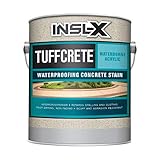
- Acrylic concrete, stucco, and brick paint coating designed for application to interior or exterior, vertical, or horizontal masonry surfaces.
- Can be applied in one coat, as a stain; or two coats for an opaque finish.
- Highlights the natural look of the concrete
- Lasts a long time and resists fading
- Comes in a wide range of colors
- Doesn’t act like a protective topcoat on its own
- You may need to seal it to get better durability
Best concrete paint in Australia often comes down to how you want your surface to look and how much protection you need, and stain is a great option when appearance matters as much as longevity.
Best Floor Paint Brands (2026)
Top brands recommended by professionals:
- Dulux – premium and durable
- Wattyl – industrial-grade coatings
- Taubmans – budget-friendly options
- Farrow & Ball – premium wood floor finishes
- Little Greene – eco-friendly, low-odor paints
Here are trusted brands that professionals and DIYers rely on:
- Rust-Oleum – Known for epoxy kits and durability
- Behr – Affordable and widely available
- Valspar – Good color variety
- KILZ – Great for primers and sealing
- INSL-X – Anti-slip specialty coatings
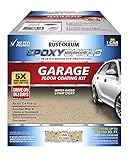
📌 For example, Rust-Oleum has been a leading coating manufacturer since 1921, offering epoxy, latex, and protective coatings worldwide
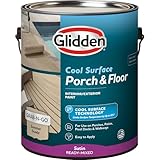
Our Top Picks:




Tools You Need for Floor Painting
- Paint roller + extension pole
- Paint tray
- Floor sander or grinder
- Primer
- Painter’s tape
- Protective gear (gloves, mask)
- Cleaning supplies
Experts emphasize sanding, cleaning, and priming as critical steps for durability.
Step-by-Step: How to Paint a Floor (How to Apply It Like a Pro)
If you’re wondering what the best floor paint is, the answer depends on your surface and how much wear your floor takes. But no matter which paint you choose, the real secret to a long-lasting finish is proper prep and application. Here’s a simple, practical step-by-step guide to help you get professional-looking results without the stress.
1. Start with a clean surface
Before you even open a paint can, make sure your floor is completely clean. Dust, grease, and grime can stop paint from sticking properly, which leads to peeling later on.
Sweep and vacuum thoroughly, then use a degreaser to remove oil and stains. For tougher spots, scrub with a stiff brush. Rinse everything well and let the floor dry fully before moving on.
2. Fix cracks and imperfections
Paint won’t hide cracks—it usually makes them more noticeable over time. Taking a little extra time here makes a big difference in the final look.
Check the entire floor for damage. Use a concrete patch or epoxy filler for concrete, and wood filler for wooden floors. Once it dries, sand the area so it blends smoothly with the rest of the surface.
3. Sand or etch for better grip
A slick surface is one of the main reasons paint fails. You need a slightly rough texture so the paint can bond properly.
For concrete, use an etching solution to open up the surface. For wood, sand with medium-grit sandpaper to remove old finishes. If you’re working with tile or laminate, light sanding or a chemical etcher will help. Clean up all the dust afterward.
4. Apply a primer
Primer is what helps your floor paint stick and last. Skipping this step often leads to uneven coverage or early wear.
Choose a primer that matches your paint type—whether it’s epoxy, acrylic, or polyurethane. Roll it on evenly and use a brush for edges and corners. Let it dry completely before painting.
5. Paint the floor evenly
This is where everything comes together. A good technique here makes all the difference between a patchy job and a smooth, professional finish.
Use painter’s tape to protect edges and walls. Apply paint with a roller for large areas and a brush for corners. Work in thin, even coats using steady, overlapping strokes. If you’re using epoxy, a squeegee can help spread it more evenly. Let the first coat dry fully before adding a second.
6. Let it dry and cure properly
It’s tempting to walk on your new floor right away—but patience pays off.
Most paints dry within a day, but tougher coatings like epoxy may need 2–3 days to fully cure. Avoid heavy foot traffic and don’t move furniture back too soon, or you risk damaging the finish.
7. Add a protective seal (optional but worth it)
If you want your floor to last, a sealant is a smart final step.
A clear polyurethane or epoxy topcoat adds durability and protects against scratches, stains, and wear. Apply it evenly with a roller and allow it to dry completely before using the floor.
Bonus tip: Maintenance for painted floors
If you want your painted floors to keep looking good, maintenance matters more than people think. Start by sweeping or vacuuming regularly to keep dust and grit from building up. When it’s time to clean, use a damp mop with a mild detergent—nothing too harsh. It’s also a good idea to avoid strong chemicals, since they can break down the paint over time. And if you have high-traffic areas, add mats or rugs to cut down on wear and scuffing.
Ready to transform your floor?
Whether you’re asking what is the best floor paint for a warehouse, garage, exterior surface, commercial space, or your home interior, these simple steps will help you get a smoother finish and a longer-lasting result.
How We Evaluate Floor Paint Products
We analyze products based on:
- Durability and lifespan
- Ease of application
- Drying and curing time
- Customer reviews
- Value for money
- Brand reputation
We also review feedback from forums:
Real User Insights
- Reddit: Users often recommend epoxy for garages due to durability
- Quora: DIYers prefer latex for easy application
- Facebook: Trending designs include patterned painted floors
- FAA.gov context: Industrial coatings emphasize safety and durability standards (non-slip, chemical resistance)
❓ Frequently Asked Questions
1. What is the longest-lasting floor paint?
Epoxy coatings can last 10+ years with proper application.
2. Can I paint over old floor paint?
Yes, but cleaning and sanding are essential.
3. How long does floor paint take to dry?
- Latex: 24 hours
- Epoxy: up to 7 days full cure
4. Is floor paint waterproof?
Most epoxy and polyurethane coatings are water-resistant.
5. Is floor painting worth it?
Yes—it's a low-cost upgrade with high visual and functional impact.
Final thoughts
Choosing what the best floor paint is is important—but how you apply it matters just as much. With the right prep, patience, and technique, even a basic paint can deliver a tough, great-looking finish that holds up for years.
If you want the best results:
- Choose epoxy for durability
- Choose latex/acrylic for ease
- Focus on prep more than paint brand
👉 The truth most guides skip: The best floor paint isn’t just the product—it’s the preparation behind it. Don’t forget to stop by bestpaintsprayerpro.com for exclusive products and plenty of useful tips and information.